
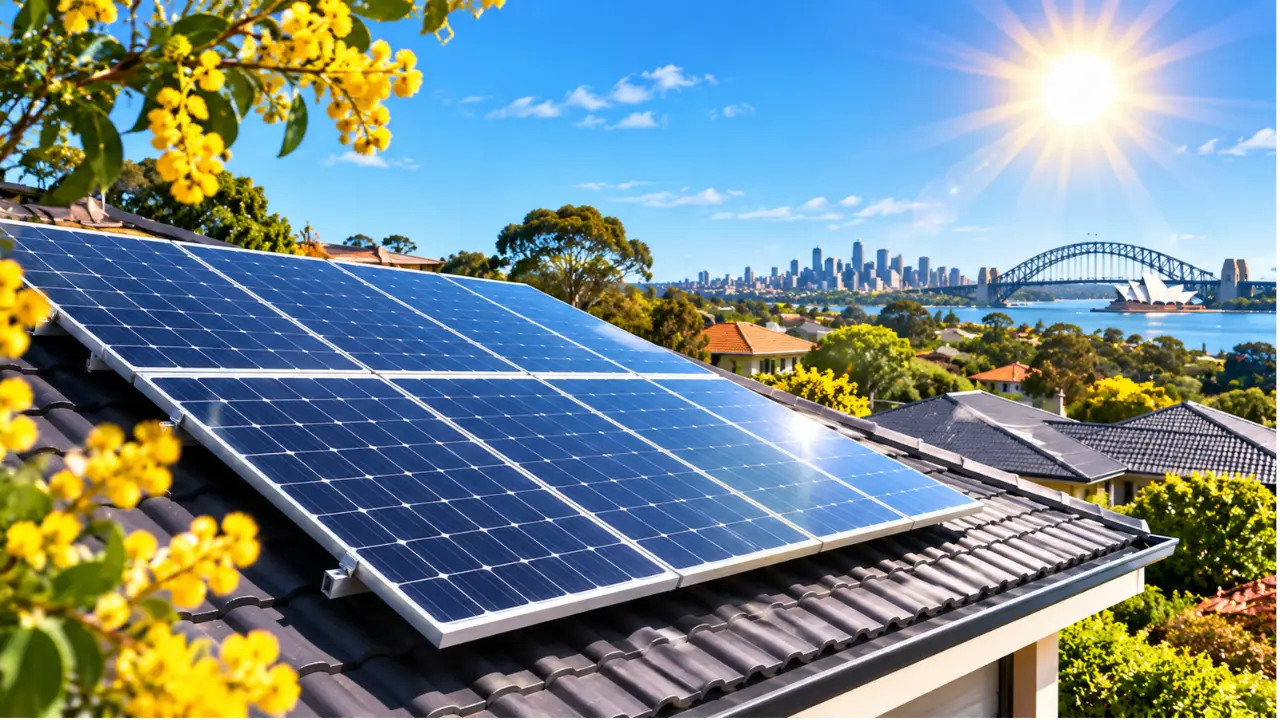

This spring, rooftop solar output on the country’s main electricity grid hit a new all-time high. It was the peak of a remarkable run of records, as sunny skies, mild weather and millions of solar panels pushed clean energy to new levels across the eastern states.
Here’s what happened, which states broke records, and what it means for households and the grid.
A New All-Time Record
At noon on Sunday, October 11, 2026, rooftop solar output across the National Electricity Market (NEM) reached a record 17,488 megawatts (MW), according to analysis by Geoff Eldridge of Global Power Energy’s GPE NEMLog.
That’s:
- 495 MW higher than the previous record of 16,993 MW, set just three weeks earlier on September 20, 2026
- About 2,388 MW (nearly 16%) higher than the 15,100 MW recorded on October 4, 2025
At the time of the peak, rooftop and utility-scale solar together supplied a record 72.29% of NEM electricity consumption, beating the previous high of 70.80% set on September 12.
The NEM is Australia’s main grid. It connects Queensland, New South Wales (including the ACT), Victoria, South Australia and Tasmania. Western Australia and the Northern Territory run separate systems.
Four Records in Five Days
The NEM-wide high capped off a rapid run of four rooftop solar records across three regions between October 7 and 11:
- Victoria: 4,191 MW on October 7, beating its previous high of 4,036 MW set in January 2026
- South Australia: 2,070 MW on October 7, up from 1,970 MW set two weeks earlier. Renewables covered 96.3% of the state’s electricity demand at the time.
- New South Wales: 6,346 MW on October 9, 241 MW above its previous record set nine days earlier
- The whole NEM: 17,488 MW on October 11
A Spring of Clean Energy Records
The rooftop record wasn’t a one-off. Australia’s spring months have delivered a string of renewable milestones:
- September 19: Renewables supplied more than 80% of total NEM electricity consumption for the first time, with rooftop solar contributing more than half of that clean energy.
- September 20: Operational demand, the electricity that large power stations must supply after rooftop solar is taken into account, fell to a record low of 9,422 MW. That beat the previous low of 9,666 MW set in October 2025.
- The September quarter: AEMO’s latest Quarterly Energy Dynamics report showed renewables and storage reached a record peak share of 80.4% of NEM generation during the quarter.
Why Spring Is Prime Time for Solar
Spring in Australia runs from September to November, and it creates near-perfect conditions for rooftop solar records:
- Clear skies and longer days mean more sunshine hitting panels.
- Mild temperatures keep panels efficient. Solar panels actually work less efficiently in extreme heat.
- Lower energy demand, because few people need heating or air conditioning, means rooftop solar covers a bigger share of what’s being used.
Records also tend to fall at midday on weekends, when the sun is highest and businesses use less power.
How Big Is Australia’s Rooftop Solar Fleet?
Australia has one of the highest rates of rooftop solar in the world.
According to AEMO, rooftop solar capacity in the NEM reached 26.4 gigawatts (GW) across 3.9 million installations by the end of June 2026. In the first quarter of 2026, rooftop solar supplied around 16% of all electricity across the NEM, more than grid-scale solar, wind or hydro.
Installations are also accelerating. The Clean Energy Council reported that Australians installed a record 1.89 GW of new rooftop solar in the first half of 2026, up 41% on the same period last year. Home batteries are growing even faster, with around 153 batteries installed for every 100 new solar systems.
Why It Matters for Households
Cheaper daytime electricity: When rooftop solar floods the grid at midday, wholesale prices often drop sharply, sometimes below zero. On October 7, prices were negative in both South Australia and Victoria during the record peaks.
More value from batteries: As daytime power becomes cheaper and more abundant, storing solar energy for the evening makes more financial sense. That’s one reason home battery installations are surging.
Lower bills over time: AEMO has linked record renewable output and growing battery use to lower average wholesale electricity prices this year.
The Challenges of Too Much Sunshine
Record solar output also creates new challenges for the grid.
Curtailment: When there’s more solar and wind power than the grid can use or store, some generation has to be switched off. On October 11, renewable curtailment across the NEM totalled about 82.3 gigawatt hours, one of the highest daily totals since 2018.
Grid stability: Very low operational demand makes it harder for grid operators to keep the system stable. South Australia, a world leader in rooftop solar, has introduced measures such as flexible export limits and an emergency backstop that allows rooftop systems to be remotely curtailed when needed.
The solution: Experts and AEMO point to more storage, flexible demand and stronger transmission links as the key to making the most of all this clean energy.
Australia’s rooftop solar boom set a new record this spring, with output reaching 17,488 MW on the main grid and records falling in Victoria, South Australia and New South Wales in just five days. As more homes add solar and batteries, these records are likely to keep tumbling, bringing cheaper daytime power alongside new challenges for the grid.
Frequently Askd Questions
What is the rooftop solar record in Australia?
Rooftop solar output across the National Electricity Market hit a record 17,488 MW at noon on October 11, 2026.
Which states set rooftop solar records this spring?
Victoria, South Australia and New South Wales all set new rooftop solar records between October 7 and 9, 2026, before the NEM-wide record on October 11.
How many Australian homes have rooftop solar?
According to AEMO, there were about 3.9 million rooftop solar installations in the NEM by mid-2026, with a combined capacity of 26.4 GW.
Why do rooftop solar records happen in spring?
Spring combines clear skies, longer days and mild temperatures, which keep panels efficient. Low heating and cooling demand also means solar covers a larger share of electricity use.
